Let’s rewind for a second ⏪
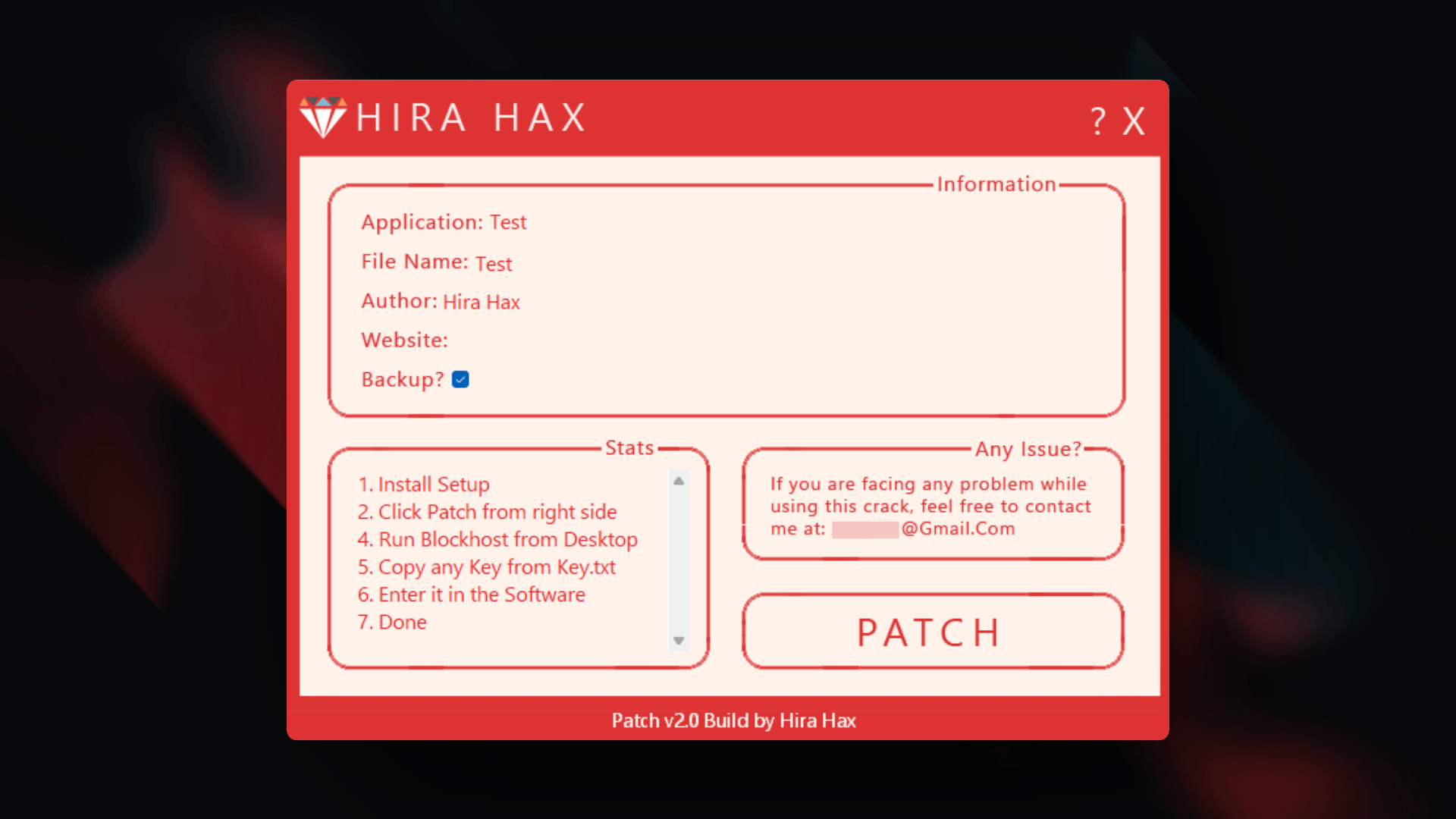
Back when I was around 15–16 years old, I created something called Hira Hax. It was basically a patcher/cracker for paid Windows software. At that time, I thought I was being smart, techy, and honestly… kinda cool. I had the skills, I knew how software worked internally, and breaking things felt like winning.
But yeah, this is not a flex.
When you’re that young, you don’t really think about consequences. You think:
- “Big companies won’t notice”
- “Everyone does it”
- “I’m just learning”
What you don’t think about:
- The developers who spent years building that software
- The income you’re indirectly taking away
- The fact that cracking software hurts real people, not just “companies”
I didn’t understand any of that back then. Fast forward to now. I’m an adult. I build things, I create products, and I make money from my own work (i mean not really though). And that’s when reality hit me hard. When you’ve put weeks or months into building something and someone bypasses your paywall with a crack… it hurts. Suddenly, the thing I once did for “fun” felt very different from the other side.
That’s when the regret kicked in. I won’t pretend the skills I learned were useless. Reverse engineering, debugging, understanding how software protection works all of that shaped my technical journey.
But skills without ethics are dangerous. If I could talk to my younger self, I’d say:
You’re talented, but don’t use your talent to take from others.
I’m writing this not to glorify Hira Hax, but to own it. It’s part of my story and also a reminder that growth means:
- Admitting mistakes
- Learning from them
- Choosing better paths moving forward
Hira Hax existed. I’m not proud of it. But it helped shape who I am today and who I choose not to be.
Growth isn’t about being perfect. It’s about being honest and better than yesterday.